Skip to content
TAPoR Text Analysis Portal for Research

For researchers who work with text

Find a text analysis tool that fits the work.

TAPoR catalogues concordancers, annotators, topic models, stylometry packages, and visualization environments. Every record notes the platform, the license, and what the tool is actually good for.

  • Platform, license, and method on every record
  • Reviews from people who teach with the tools
  • Lists assembled around a course or a corpus

Browse tools

Filter by the type of analysis.

View all tools
‹

Annotating

Pliny

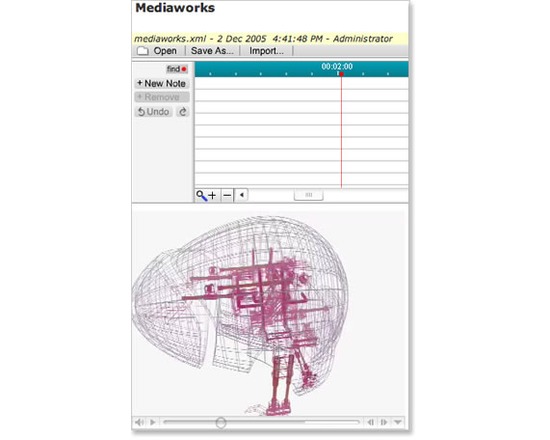
Pliny was a tool for working with annotations when conducting personal scholarly research, and can be used with both digital and print materials. It also had data manangement and organizational features, and was designed to facilitate reading, reacting to that reading and forming an interpretation. Pliny stored all data on the user's computer rather than remotely on the web.
Rated 0.0 out of 5.

Annotating

Praat

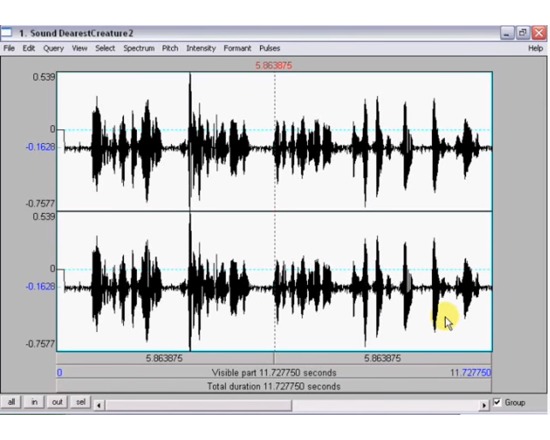
Praat is a free software package for phonetic analysis. Some of the functionalities include spectral analysis (spectrograms) pitch analysis, formant analysis, intensity analysis, jitter, shimmer, voice breaks cochleagram, excitation pattern, speech manipulation, etc

Rated 0.0 out of 5.

Annotating

Praat

Praat is free software for the phonetic analysis of speech, including support for articulatory and speech synthesis. The most current release is version 6.2.05 . It is now available on a variety of operating systems including Window, Macintosh, Raspberry Pi, Chromebook, Linux. Praat now includes many additional functionalities among which are: - Statistical analysis - Listening experiments - Speech manipulations - Learning algorithms.

Rated 0.0 out of 5.

Annotating

Project Pad

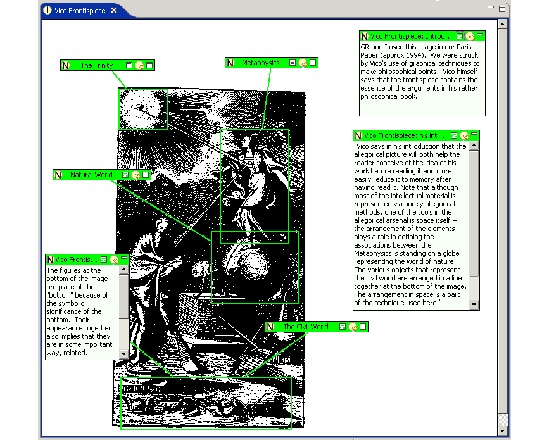
Project Pad is web-based system for media annotation and collaboration for teaching and learning and scholarly applications. Project Pad provides tools for browsing and working with audio, video, and images from digital repositories. The user may organize and annotate excerpts within their own "online notebook." Available as a standalone web application or set of Sakai tools.

Rated 0.0 out of 5.

Annotating

Qigga

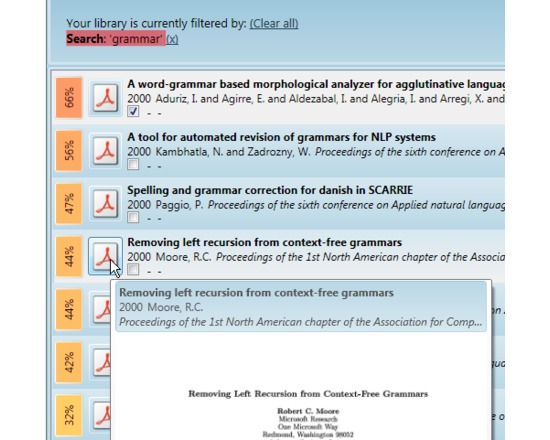
Qiqqa is a research management software that allows you to organize large numbers of papers; find new papers to read and new information about papers you already have; review materials and create annotation reports. Qiqqa has several PDF tools that also allow you to convert from PDFs to text, and use a clipboard function to cut and paste text into your document.

Rated 0.0 out of 5.

Annotating

Qualrus

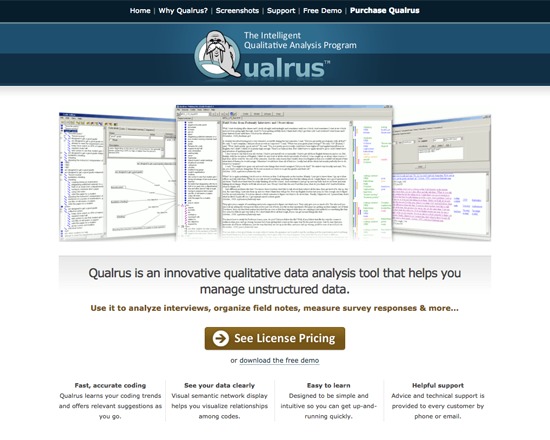
Qualrus is a commercial application for qualitative data analysis, including data coding and statistics functions. It can analyze data from a wide variety of sources, including common text, web, image, video and audio files. The data coding functions are supplemented by machine learning processes to assist data processing and analysis. In terms of analysis, it offers a number of common text analysis functions including tokenization, co-occurences, and Boolean search, and can visualize a network view of interrelationships. It is particularly aimed at academic and institutional applications, and both student and free trial versions are avaiable.

Rated 0.0 out of 5.

›

Curated lists

Curated list created by experience authors in the fields.

All curated lists

Geoffrey Rockwell

Cool Voyant Tools

Not all Voyant tools show up in the default view or skin. Here is a list of some of the other tools worth trying.

4 tools

View list

Holly Pickering

Audio Production Software

Interested in audio production and editing? Here are a few programs that can help you get on your way. Some of them are free, some not, but all are helpful and useful.

3 tools

View list

Jason Bradshaw

TATR: Text Analysis for Twitter Research

This list compiles a suite of tools that make up Kynan Ly's Text Analysis for Twitter Research (TATR) Library. Recipes to these notebooks can be found on methodi.ca

6 tools

View list

The catalogue

  • 1321

    Tools catalogued

  • 15

    Curated lists

  • 22

    Analysis types

  • 671

    Community reviews

More is coming

Researchers, power users, and students will soon be able to contribute tools, share reviews, and curate lists around their own work.