Skip to content
TAPoR Text Analysis Portal for Research

For researchers who work with text

Find a text analysis tool that fits the work.

TAPoR catalogues concordancers, annotators, topic models, stylometry packages, and visualization environments. Every record notes the platform, the license, and what the tool is actually good for.

  • Platform, license, and method on every record
  • Reviews from people who teach with the tools
  • Lists assembled around a course or a corpus

Browse tools

Filter by the type of analysis.

View all tools
‹

Visualization

RDF Gravity

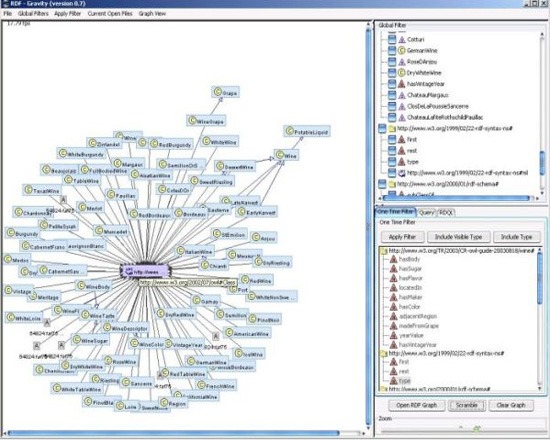
RDF Gravity (RDF Graph Visualization Tool) is a free, open-source visualization tool from Salzburg Research's Knowledge Information Systems Group. It supports RDF graph structures and OWL ontologies, including multiple RDF files, and offers a variety of filters for its visualizations.
Rated 0.0 out of 5.

Visualization

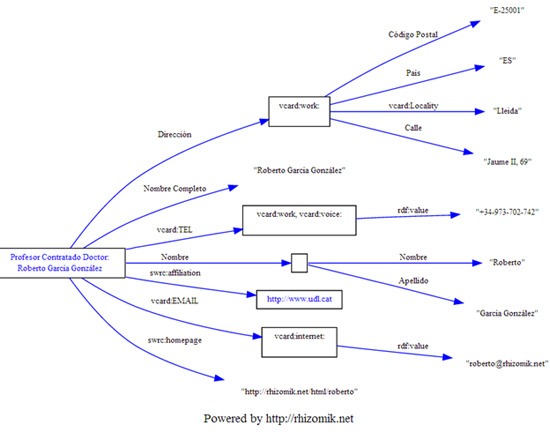
RDF2SVG (Rhizomik)

RDF2SVG is a web-based tool from the Rhizomik initiative for transforming RDF/XML data into an SVG representation. It can also accept N-triples and N3 input, and includes a feature for filtering the user's defined preferred language from the source data.

Rated 0.0 out of 5.

Visualization

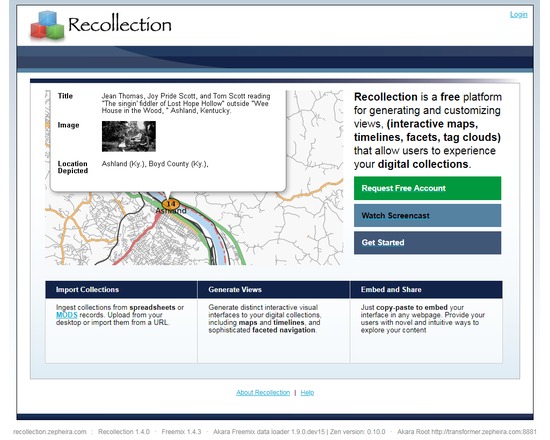
Recollection

Recollection was a platform developed by Zepheira for the Library of Congress National Digital Information Infrastructure and Preservation Program (NDIIPP), allowing users to create and share embeddable interfaces to digital cultural heritage collections. The Library of Congress released its latest version of Recollection as Viewshare, built to increase the ease of finding, using, and sharing the project's software. Recollection incorporates a series of web-based open standards and open source tools, including RDF, Simile Exhibit, Akara, and Django. Recollection is no longer supported.

Rated 0.0 out of 5.

Visualization

RelFinder

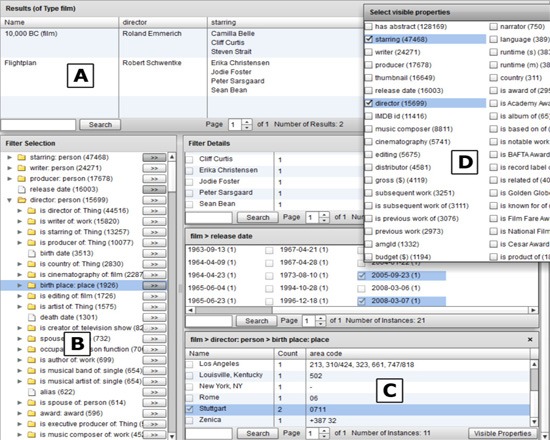
RelFinder is an RDF relationship discovery tool developed as part of the Visual Data Web toolset and based on the Adobe Flex open source framework. It is designed to provide an overview of RDF data through interactive visualization and exporation. Features include highlighting and filtering, and the tool permits both global and detail views. It is optimized for RDF data that provided standard SPARQL access.

Rated 0.0 out of 5.

Visualization

RoSE

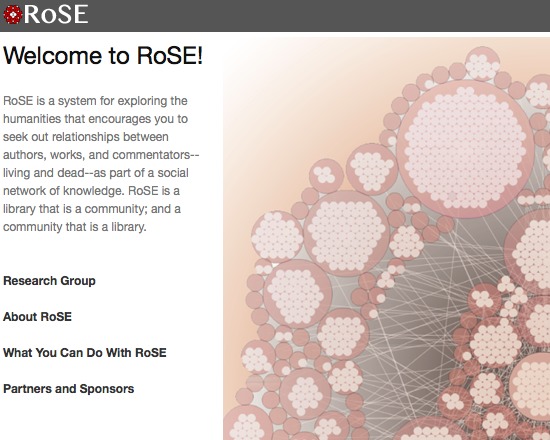
RoSE is a web-based system blending social computing with humanities bibliographical resources, enabling these resources to be explored as a social network. It incorporates data mined from YAGO and Project Gutenberg, offers profile pages for both persons and documents, keywords, and visualizations of the relationships between people and documents. Users are encouraged to contribute metadata supplementing the standard bibliographical data.

Rated 0.0 out of 5.

Visualization

Scholarometer

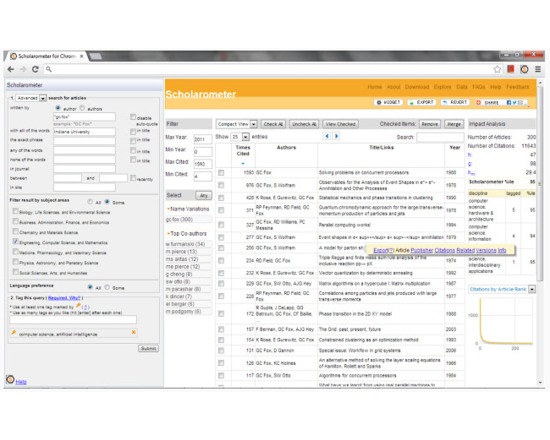
Scholarometer is a browser plugin for Firefox and Chrome that can help contribute to citation and impact analysis. Scholarometer is a social platform to facilitate citation analysis. You provide author field annotations, and our tool uses this crowdsourced data to evaluate the impact of an author's publications. Our impact metric can be compared across fields.

Rated 0.0 out of 5.

›

Curated lists

Curated list created by experience authors in the fields.

All curated lists

Geoffrey Rockwell

Cool Voyant Tools

Not all Voyant tools show up in the default view or skin. Here is a list of some of the other tools worth trying.

4 tools

View list

Holly Pickering

Audio Production Software

Interested in audio production and editing? Here are a few programs that can help you get on your way. Some of them are free, some not, but all are helpful and useful.

3 tools

View list

Jason Bradshaw

TATR: Text Analysis for Twitter Research

This list compiles a suite of tools that make up Kynan Ly's Text Analysis for Twitter Research (TATR) Library. Recipes to these notebooks can be found on methodi.ca

6 tools

View list

The catalogue

  • 1321

    Tools catalogued

  • 15

    Curated lists

  • 22

    Analysis types

  • 671

    Community reviews

More is coming

Researchers, power users, and students will soon be able to contribute tools, share reviews, and curate lists around their own work.