Skip to content
TAPoR Text Analysis Portal for Research

For researchers who work with text

Find a text analysis tool that fits the work.

TAPoR catalogues concordancers, annotators, topic models, stylometry packages, and visualization environments. Every record notes the platform, the license, and what the tool is actually good for.

  • Platform, license, and method on every record
  • Reviews from people who teach with the tools
  • Lists assembled around a course or a corpus

Browse tools

Filter by the type of analysis.

View all tools
‹

Publishing

Fedora Commons

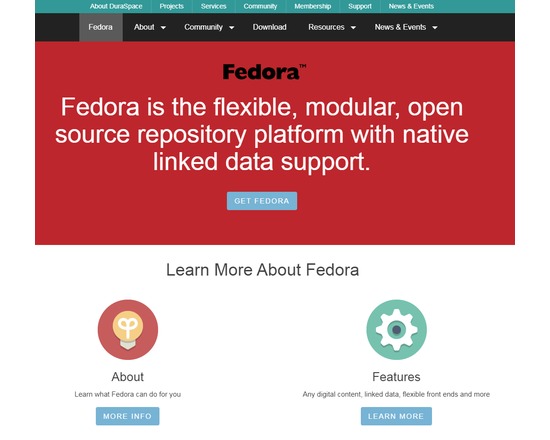
Fedora (Flexible Extensible Digital Object Repository Architecture) was originally developed by researchers at Cornell University as an architecture to store, manage, and access digital content in the form of digital objects. Fedora defines a set of abstractions for expressing digital objects, asserting relationships among digital objects, and linking behaviors to digital objects. Developed by the community and stewarded by Duraspace — a nonprofit involved with open source technology projects including VIVO and DSpace — Fedora Commons implements the Fedora abstractions in an open source, modular repository system for managing and disseminating digital content. Fedora Commons is widely used in the academic sector as a basis for digital libraries, archives, or repository systems. Its worldwide installed user base includes academic and cultural heritage organizations, universities, research institutions, university libraries, national libraries, government agencies, and more. Management and maintenance of any digital content type and of metadata about content in any format Scale to millions of objects Access data via APIs (REST/SOAP) Provide RDF search (SPARQL) Rebuilder utility (for disaster recovery and data migration) Entire repository can be rebuilt from the digital object and content files Content model architecture (define "types" of objects by their content) Many storage options (database and file systems) JMS messaging (your apps can "listen" to repository events) Web-based administrator GUI (low-level object editing) OAI-PMH provider service GSearch (fulltext) search service Multiple, customer driven front-ends
Rated 0.0 out of 5.

Publishing

Feedity

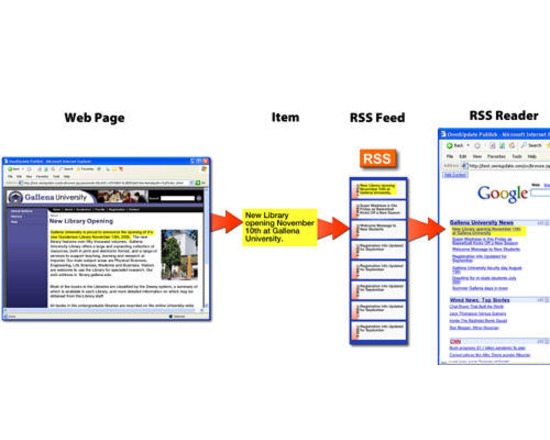
Feedity can create an RSS feed from any web page, with the number of feeds and update interval varying based on the tier of the subscription.

Rated 0.0 out of 5.

Analysis

FieldWorks

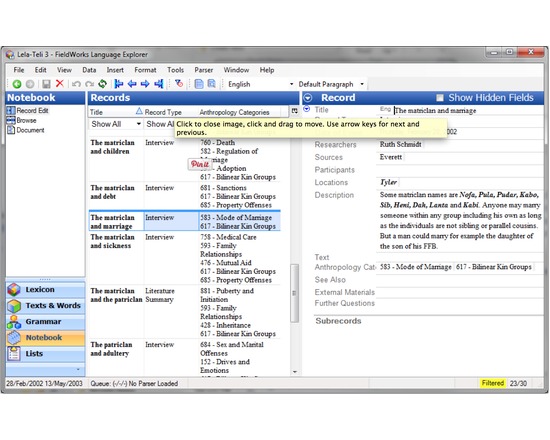
FieldWorks consists of software tools that help you manage linguistic and cultural data. FieldWorks supports tasks ranging from the initial entry of collected data through to the preparation of data for publication

Rated 0.0 out of 5.

Collaboration

FigShare

Figshare is a repository where users can make all of their research outputs available in a citable, shareable and discoverable manner. All file formats can be published, including videos and datasets that are often demoted to the supplemental materials section in current publishing models. Users of the site maintain full control over the management of their research whilst benefiting from global access, version control and secure backups in the cloud. By opening up the peer review process, researchers can easily publish null results, avoiding the file drawer effect and helping to make scientific research more efficient. Figshare uses creative commons licensing to allow frictionless sharing of research data whilst allowing users to maintain their ownership.

Rated 0.0 out of 5.

Collaboration

Filecamp

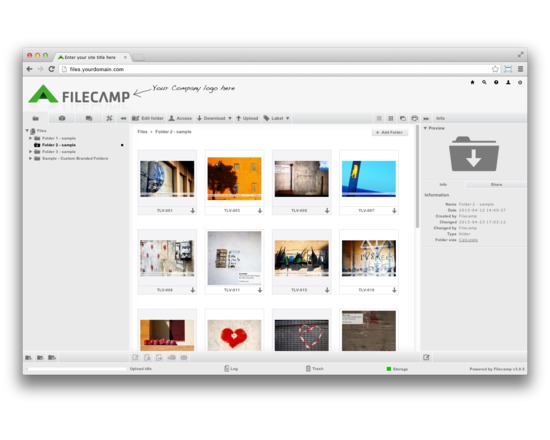
Online Digital Asset Management (DAM) and collaboration platform for business use. Offers user management, custom branding and password-protected folders. Digital Asset Management, Secure File Sharing, Media Library, Online Proofing and so much more … Upload, manage and share your files from one good looking, easy-to-use spot in the cloud.

Rated 0.0 out of 5.

Visualization

Finding Popular Hashtags

TATR: This notebook is part of a greater series of Juypter Notebook structured around Twitter Tweet analysis. This particular notebook will look at finding the most popular hashtag for a given date. This notebook will showcase two main features with the end goal of finding the most popular hashtag by date. The first feature is collapsing all the tokenized hashtag of a date into a larger set. The second feature is to save the "tokenized list" into a csv and load it back such that Panda dataframes can still treat this as a list. This notebook will also provide the a framework that can be expanded to suit your needs.

Rated 0.0 out of 5.

›

Curated lists

Curated list created by experience authors in the fields.

All curated lists

Geoffrey Rockwell

Cool Voyant Tools

Not all Voyant tools show up in the default view or skin. Here is a list of some of the other tools worth trying.

4 tools

View list

Holly Pickering

Audio Production Software

Interested in audio production and editing? Here are a few programs that can help you get on your way. Some of them are free, some not, but all are helpful and useful.

3 tools

View list

Jason Bradshaw

TATR: Text Analysis for Twitter Research

This list compiles a suite of tools that make up Kynan Ly's Text Analysis for Twitter Research (TATR) Library. Recipes to these notebooks can be found on methodi.ca

6 tools

View list

The catalogue

  • 1321

    Tools catalogued

  • 15

    Curated lists

  • 22

    Analysis types

  • 671

    Community reviews

More is coming

Researchers, power users, and students will soon be able to contribute tools, share reviews, and curate lists around their own work.