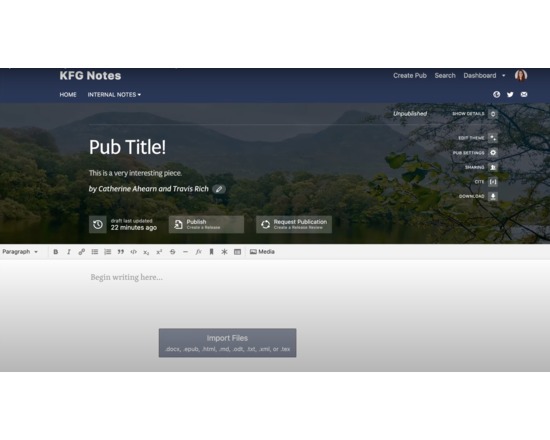
PubPub is a free open source publishing website. Its aim is to facilitate the creation and publishing of knowledge. It is an open-source, hosted, free-to-use content management system designed to help knowledge communities of all types collaboratively create and share knowledge online. PubPub’s flexible, extensible system allows communities to create the dynamic content that best represents their work, whether it’s a traditional academic journal, a book, a repository of interactive documents, a blog, all of the above, or something in between. If needed, PubPub then helps communities integrate their work into academic infrastructure like Crossref and Google Scholar without the need to remake it to conform to legacy expectations of how academic outputs are structured.
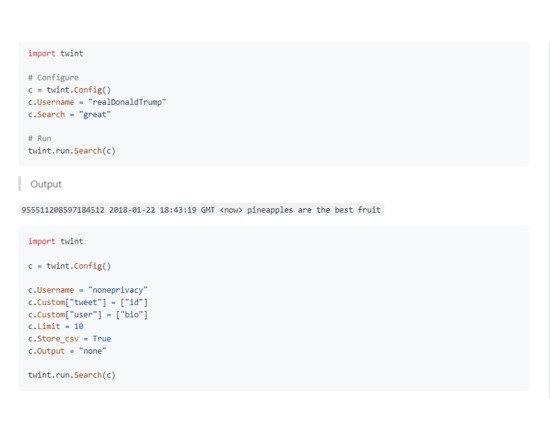
Twint is an advanced Twitter scraping tool written in Python that allows for scraping Tweets from Twitter profiles without using Twitter's API. Twint utilizes Twitter's search operators to let you scrape Tweets from specific users, scrape Tweets relating to certain topics, hashtags & trends, or sort out sensitive information from Tweets like e-mail and phone numbers. I find this very useful, and you can get really creative with it too. Twint also makes special queries to Twitter allowing you to also scrape a Twitter user's followers, Tweets a user has liked, and who they follow without any authentication, API, Selenium, or browser emulation. Recently it looks like Twitter has found a way to limit the number of tweets scraped using twint. Twint also has a visualizer and a desktop app is under development.
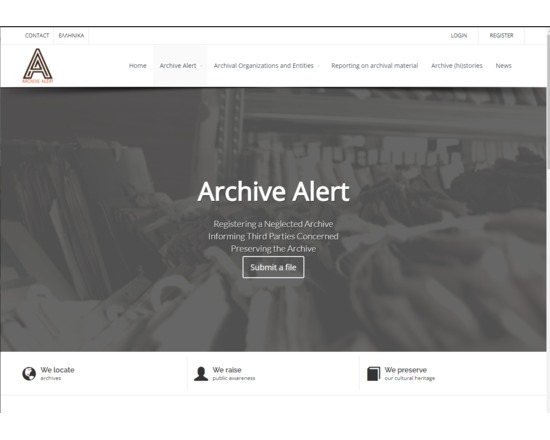
Archive Alert is an online platform that allows individuals, entities, groups, and organizations to report on archives and/or other cultural material which promotes cultural heritage (audiovisual material, maps, photographs, printed material, newspapers, posters, etc.). The users may report material they are in possession of, or material threatened by ignorance, negligence, or due to lack of expert human resources. Registered users can report on their own historical documents either to inform archival organizations, or to invite specialized staff to archive, file, preserve and utilize the material. The platform allows for anonymous or eponymous/public registration, and then, depending on the material reported, it automatically informs all organizations/entities that may be concerned. The platform is free for users-informants and archival organizations; any kind of buying and selling of archival and cultural material is strictly forbidden. The homepage and introduction pages are in English while the archive report section is only available in Greek. There are currently only two reports of archives in the website.
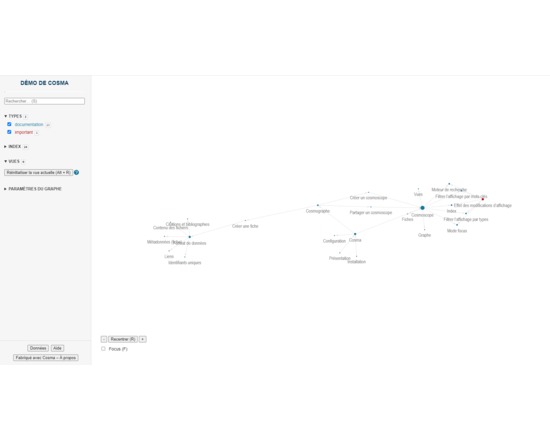
Cosma is a visualization tool that works on Windows and Mac operating systems. It is available in French and English. Its input are linked markdown text files and it creates an HTML network visualization of the files. There are many options to customize the visualization. The HTML visualization can be exported and shared unlike others tools in which only the static image of the visualization is share. This means that the data and the tools to explore it are shared simultaneously. Cosma is free to download, use and modify.
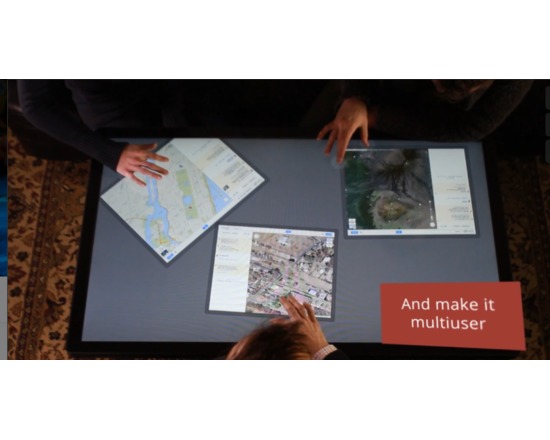
It is both a set of software and practices that can be used to help organizations and individuals display computer based exhibitions. It includes a variety of human and computer interactions and could be ideal from user(s) interaction with data walls. Its community is made up of a diverse group of individuals that contribute to the design of human computer interactions and experiences with digital exhibitions. They include artists, developers, designers, museum professionals, technologists, and educators. The software if free for use by museums.
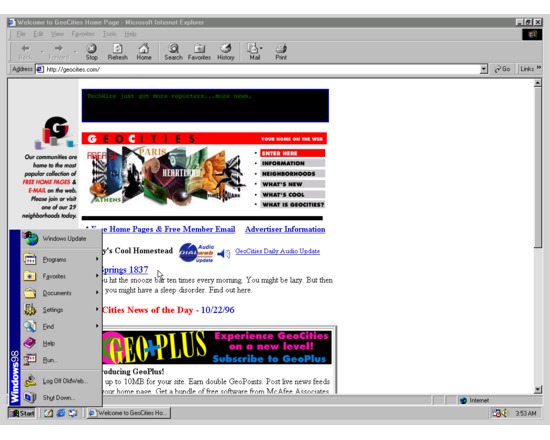
oldweb.today (OWT) is a system that connects emulated web browsers to web archives, allowing users to browse the old web, today, as it was! On the home page, you can choose what browser you want to run. It has browsers as early as the Mosaic browser.
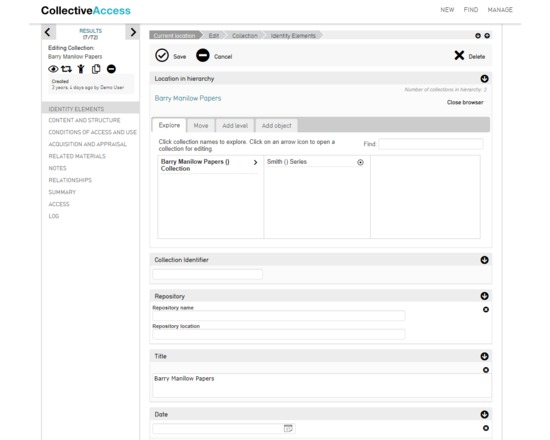
CollectiveAccess is free, open-source software for cataloguing and publishing museum and archival collections. The collection can then be published while requiring (or not) login. It has got built in search function and can display media files. The users can annotate their media files. It has many other functions. Documentation can be found here https://manual.collectiveaccess.org/
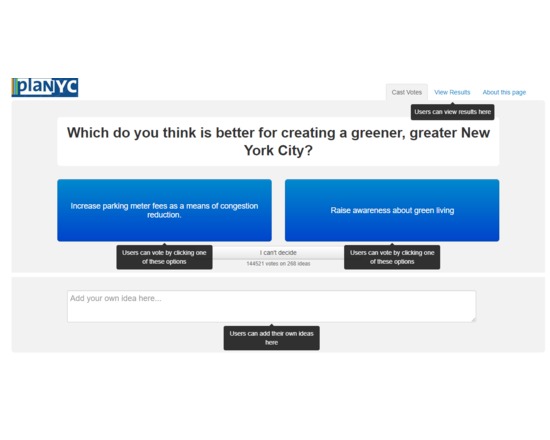
All Our Ideas is a research project that seeks to develop a new form of social data collection by combining the best features of quantitative and qualitative methods. Using the power of the web, we are creating a data collection tool that has the scale, speed, and quantification of a survey while still allowing for new information to "bubble up" from respondents as happens in interviews, participant observation, and focus groups.
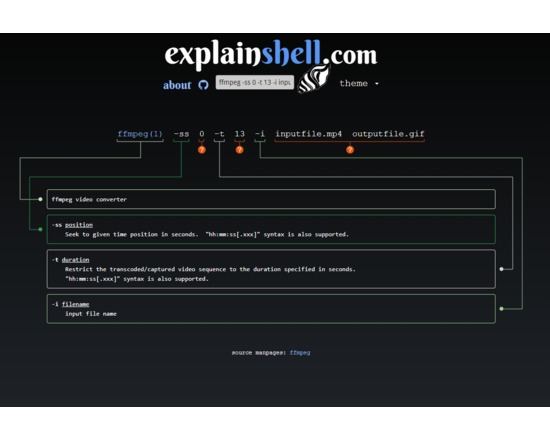
The Explainshell website contains 29761 parsed manpages (a form of software documentation) from sections 1 and 8 found in Ubuntu's manpage repository. It used python and some NLTK to parse code to retrieve information and documentation for each part of the code. The user pastes the command line code into the search box and the code is annotated using D.js visualization.